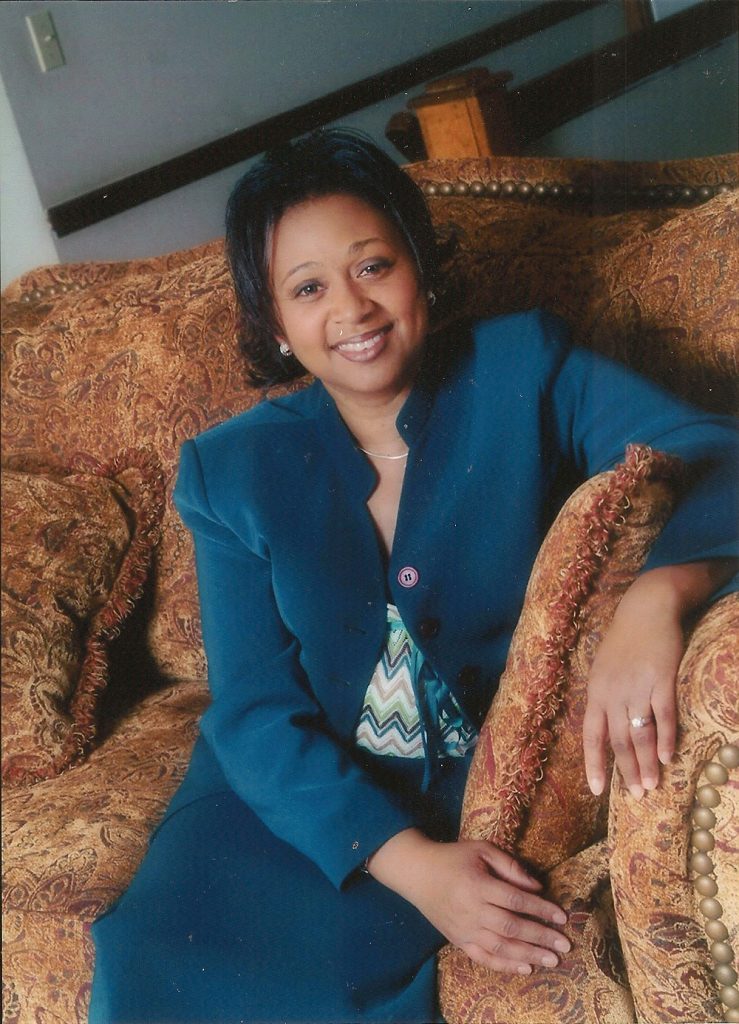
Erika Peterson was, by every account from the people who knew her, a force. Short in height but mighty. She didn't take no for an answer. She was adventurous — motorcycles, travel, the kind of person who said yes to things most of us would talk ourselves out of. She spent the majority of her career working with children. She was a foster parent to many.
By 2012 she had a specific opinion about what was missing in residential care for adolescent boys. She had been a foster parent. She had worked the system from inside. She knew what worked and what didn't. And she had a picture in her head of a place that could give the boys something she felt the system rarely gave them: a strong foundation for a future, and love that knew when to be hard.
She gave up her own house to start HOC.
That sentence is not a metaphor. The first House of Compassion was, literally, her home. She handed the deed of her life over to make space for boys who didn't have one. She had survived breast cancer once. She knew she might not have a long time to do this. She did it anyway.
In the short time she had after HOC opened, Erika built something the boys could feel from the day they walked in. They immediately felt home from her. They were not residents in a program. They were kids who lived at Erika's house.
When she passed, many of those boys asked to speak publicly at her funeral. Teenage boys in residential care do not, as a rule, volunteer to speak at a stranger's funeral. They do it when they have been loved by someone in a way they have never been loved before.
That day, the team made a quiet decision. This was something special. We needed to continue it.